Articles

The power of the family line, or how the Immortal Regiment helps the psyche

The power of the family line, or how the Immortal Regiment helps the psyche

The Immortal Regiment is a grassroots movement for preserving the memory of the strength, the courage and the deeds of our forebears. Every year participants march in a column through the streets of towns and cities carrying photographs of their dead relatives, and enter their family stories in a chronicle. This initiative is criticised by people who do not see the enormous psychological component the event carries, one that is chronically lacking in the modern world. It is the personal psychological value of the Immortal Regiment that this ar
Read more »

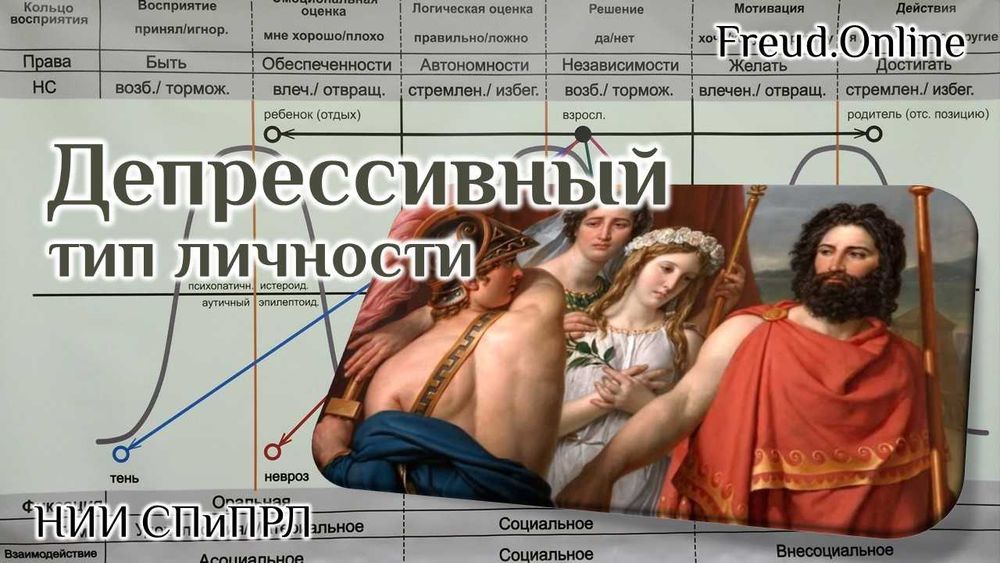
The depressive personality type

The depressive personality type

Every decision and every action is subordinated to proving their own “goodness” and to outside assessments. Dependence on other people's opinions. A lack of faith in themselves. A pessimistic outlook. A love of overcoming difficulties. A conviction that happiness has to be earned and cannot last long. Their whole life, all their strength goes “to others”, because loving themselves and doing something for themselves is “selfish” and “not good”.

Read more »

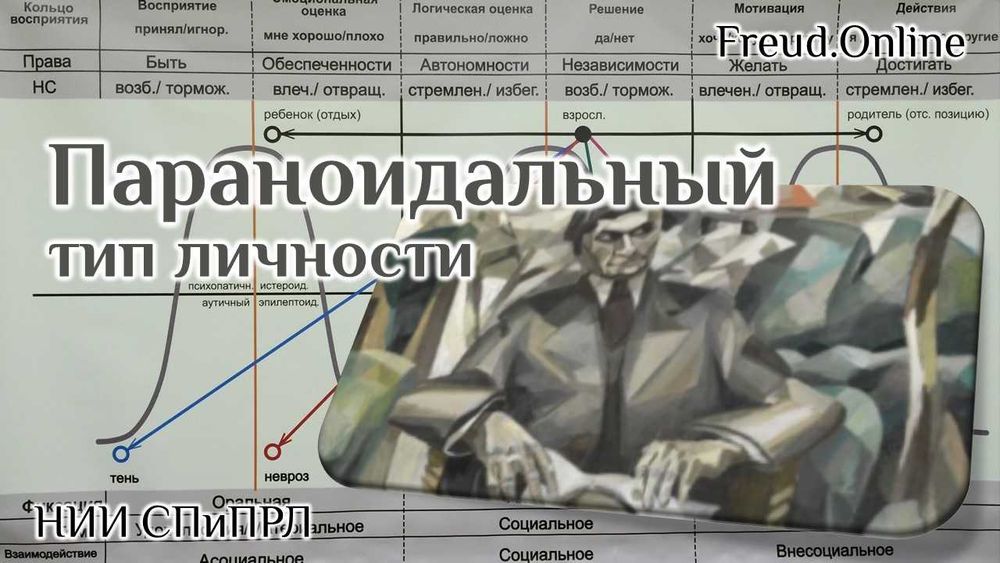
The paranoid personality type

The paranoid personality type

Anxious, distrustful, frightening components in their worldview and in their overvalued ideas-desires. Society is seen as an unsafe structure, one that often contains inner, hidden “conspiracies” and “riddles” that it is important to solve. A hostile, distrustful attitude towards society in general and towards the authorities in particular. A ban on realising their ideas-desires directly and openly. Squeamishness (as a form of defence against danger — overvalued ideas of “being influenced”, “being contaminated” and so on). A drive to get to the bottom of “the truth”.

Read more »

Types of negotiation

Types of negotiation

We often have to haggle. To divide something up. To agree something. In a shop, in the family and in relationships, at work. When two interdependent parties resolve a conflict in order to improve their own position, when they give ground together, try things out and look for a solution - that is a negotiation. What lies at the heart of negotiation? When is there no point in trying to reach an agreement? And when does it make sense to manipulate?

Read more »