Anyone who fears love fears emotional closeness in a partnership. In this article I will share some tips on what you can do about it.
You may recognise this: you meet someone you find interesting, you spend more and more time together and grow closer and closer. But the moment you notice that serious feelings are developing, you panic, you want to end it all, to keep your distance. If that sounds familiar, you may be suffering from philophobia. Anyone who fears love is, above all, protecting themselves. Mistrust and distance are constant companions in everyday relationships. Yet bad experiences in earlier partnerships are not always the trigger — the causes can also lie far deeper. Read on to find out what stands behind this and how to overcome the fear.
Fear of love — the signs
The phenomenon is called philophobia: as a rule, those affected are afraid of emotional and physical closeness in a partnership. Unconsciously they feel an intense fear of being abandoned and of the pain that comes with it.
People who suffer from this perceive opening up, becoming involved and growing closer in a partnership as a threat bound up with an intense fear of love. They begin to avoid their partner and to keep their distance, and that leads to a break-up.
The fear of deep feelings can also trigger physical reactions: panic attacks, a racing heart, nausea, a sense of tightness in the chest and sweating, insomnia, irritability, irrational behaviour, sudden flight — because flight in all its forms is a common strategy (a defence) for keeping fear under control.
Where does the fear of deep experiences come from?
A very pronounced fear of attachment, one strong enough to get in the way of a partnership and to cause serious distress, is usually based on traumatic experiences in childhood or in earlier relationships. In such people the fear of falling in love is deeply rooted. Anyone who suffers from philophobia has been through deeply painful relationships or experiences of abuse. These can range from separation from the parents to a disappointing relationship with father or mother, to tormenting experiences with a former partner. Often we are not even aware that experiences from earliest childhood, for instance, shape what we do today. All of it leads to mistrust and to a fear of entering a relationship.
Because whoever allows love in and truly opens up to a partner is showing that partner their inner being. As a result we lose control, we become vulnerable and, possibly. Many people with philophobia hold back — because of bad experiences, and above all out of a fear of the "abuse of power" — and do not let themselves have deep feelings.
Philophobia is an unconscious form of self-protection: "If you do not fall in love, you will not get hurt."
This defense mechanism gives us a seeming sense of safety, but it prevents a close relationship with another person.

The fear of falling in love and of staying in a relationship
People with attachment disorders can be in love, yet they are afraid of relationshipsPeople with philophobia often do the opposite: they do not allow themselves deep feelings, but they are in a partnership. In such a relationship, though, the other partner feels a "chill": there is no depth of feeling , no "fire". In the end people with philophobia always lose their footing once a relationship becomes closer and more intimate.
It is interesting to note that people with philophobia are not, in principle, afraid of relationships. On the contrary, they move from one partnership to the next fairly quickly.Because of their inner distance they remain unattached and superficial. That way they can hide their fears not only from themselves but from others as well. Because as long as they are in a partnership, they do not have to admit the fear — a vicious circle that it is important to break out of.
How can you learn to overcome your fear of love?
- Face your fears: naming the phobia and admitting it is the first step, because that is the only way to cope with it. Only by accepting the fear that governs our behaviour and our decisions can we begin to overcome it. It helps to think about what you are afraid of and what you believe you would have to give up, and to write down what you find.
- Do not compare relationships with one another: a new partnership and an old one cannot be measured against each other — every one is unique, and the outcome cannot be foreseen. Anyone who has had bad experiences of falling in love in the past quickly carries the resulting fears into a new relationship. That, however, is unfair to the partner and makes it impossible to meet them without prejudice.
- Take responsibility: we have to learn to take responsibility and not to place our happiness in someone else's hands. Our self-confidence should not depend on our partner's love and recognition.
- Do not take rejection personally: that means not blaming yourself for the end of a relationship. It is precisely the fear of rejection that keeps many people from intense relationships. Yet low self-esteem, which often grows out of early experiences of rejection, can be overcome. Once you begin to love yourself in every respect and to accept your own uniqueness, you can build up the inner strength and security to face losses with confidence — and to leave the fear of love behind.
- Get professional help: most people who suffer from a fear of love have in fact been carrying this burden for a long time. They long for a partnership, and being unable to sustain a lasting relationship weighs heavily on the psyche.
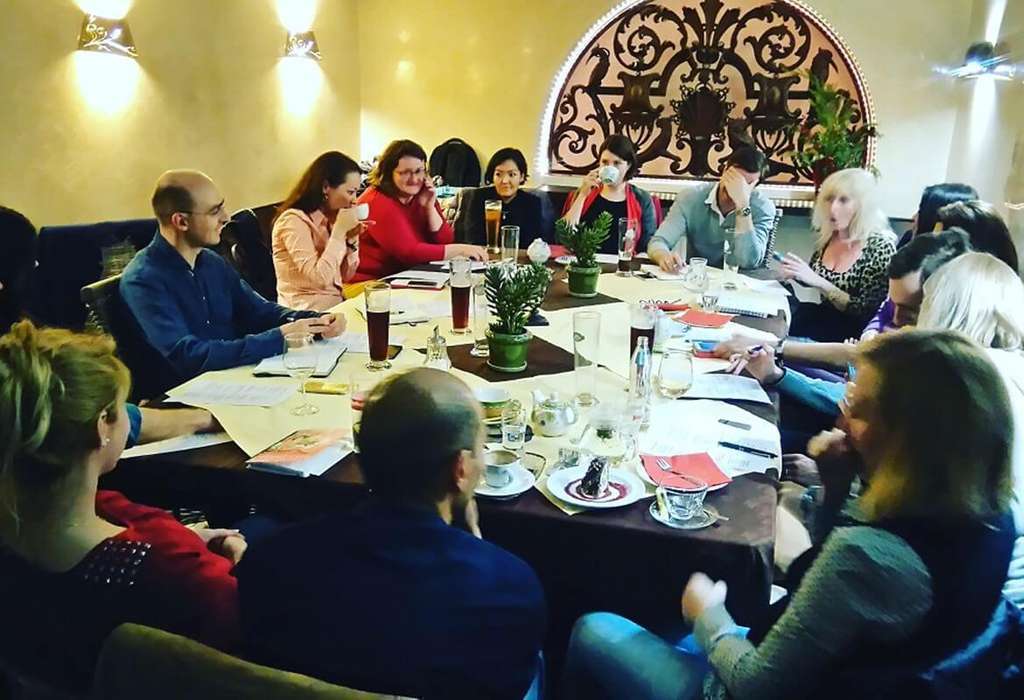
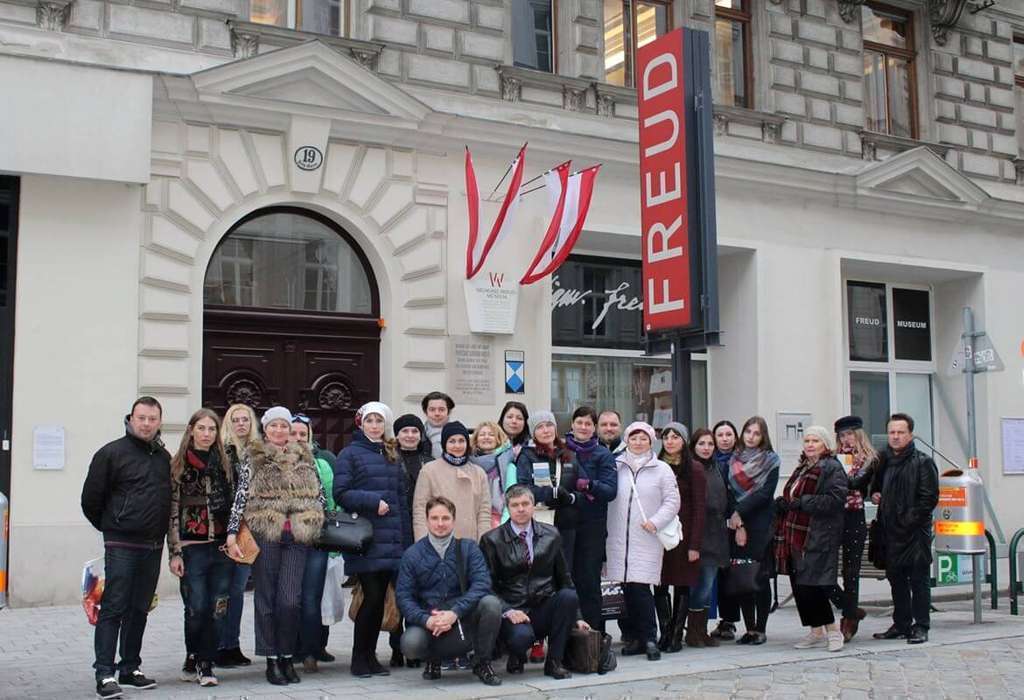
If you are afraid to begin with one-to-one therapy, or you do not know which of the specialists to choose, then welcome to the Freud's Legacy club, where you can receive regular support from our counsellors.
In conclusion: fighting the fear of love is an act of strength.
Everyone wants to love and to be loved. But for some this is not so simple: the mere thought of emotional closeness makes them want to run. The fear of love can bring stress and disappointment; the fear of emotional dependence, of losing control and of lovesick longing is too great. The result: anyone who does not reveal their true self to their partner and is always on guard blocks the chance of really getting to know each other and denies themselves the happiness of a harmonious relationship. The Austrian writer Arthur Schnitzler sums it up in his famous line:
"More sorely deceived is the one who, out of fear of disappointment, has let happiness slip by again and again, than the one who seized every chance of happiness, even at the risk that it was no longer happiness at all."
Every intense relationship is a challenge that helps us grow and get to know ourselves better.
If you need help and support in coping with the fear of love or of closeness, do get in touch!
Your counsellor, Natallia Nechai