Healing the Inner Child is something that can make your life happier and lighter. Every one of us has a hurt Inner Child waiting to be heard and loved. Among other things, this article offers exercises for healing the Inner Child.
Who is the Inner Child?
A beloved Inner Child is our living side, the one that expresses itself through such qualities as joy, spontaneity, openness, curiosity and enthusiasm.
An unloved and rejected Inner Child expresses itself through such personality traits as sadness, fear, disappointment, anger, envy, shame and so on, up to and including pronounced buying behaviour.
Anyone who lacked care and love as a child can heal the old wounds by their own efforts — through deep analysis and by establishing a connection with their Inner Child — and can then, by developing a few basic skills, strengthen their roots and so bring more abundance into their life.
Our heart is touched when we discover (or rediscover) our Inner Child. That is where the original we are all born as comes out: the naturalness of our being, our softness, our devotion, our smile, our cries, our wonder, our unique and particular personality, all our talents, our creativity, our curiosity, our joy, the spontaneity and intuition, the special sensitivity, love and sensuousness that define us, and the faith that all is well.
Why is discovering and accepting the Inner Child good for our personality?
- Because awareness of how one's own emotional world works, and a feeling for it, begin to appear.
- Because a person learns to accept feelings, to take them in, and so their own emotional world gets processed.
- Because working through bad feelings makes it possible to heal old wounds and childhood traumas.
- Because working on bad feelings brings the good out of us, and we can recognise and use our own needs, dreams, resources and skills.
- Because this discovery makes us whole, and we can therefore take better care of ourselves and of others.
- Because it lets us come to terms with ourselves better and better and take responsibility for the various areas of our life.
Exercise: discover the Inner Child within you.
- Write down three personal qualities and three things that mattered a great deal to you in childhood.
- Think about it: are they still there or not? Write down the part these qualities and things still play in your life today. Why are they important to you?
- Write down a beautiful, moving experience from your childhood. What feeling does remembering that experience stir in you?
Healing the Inner Child — these exercises can get you there
Healing the Inner Child can only happen once you are ready for it. That includes being able to notice unpleasant feelings and memories. It calls for patience and a loving relationship with your Inner Child.
- Be creative with your Inner Child. Try to remember what you loved doing as a child. Unfold that joy: be creative again and enjoy yourself, without chasing any achievement. That is how you can find inspiration for more creativity.
- You can make contact with your Inner Child during meditation. Picture moments in childhood when you felt particular feelings and perhaps needed support from someone close to you.
- As an adult, talk to your Inner Child. Listen to its needs, accept it, show it compassion — in the way you would have needed back then.
- Ask yourself what your Inner Child still needs today. You can meet needs left unmet since childhood by living out what you were not allowed to do, or could not do, before.
- Accept the feelings that come up in full. Try to understand where you come from and do not defend yourself against it.
A few more exercises
Everyone takes childhood trauma differently. A traumatic experience is deeply damaging for one person and perhaps not for another. That is why one should never sit in judgement on other people's experience.
- Work with forgiveness. Forgive not only the child you were, or the person who hurt you, but also the adult you are, who spent years suppressing those unpleasant feelings and memories.
- Write down everything on your mind — everything you would like to say to your Inner Child. In that letter you can let go of it all.
- Spend time alone with yourself, deliberately stepping back. Time alone with ourselves is very important if we are to feel and to notice. Feel your Inner Child and try to understand what it is trying to tell you.
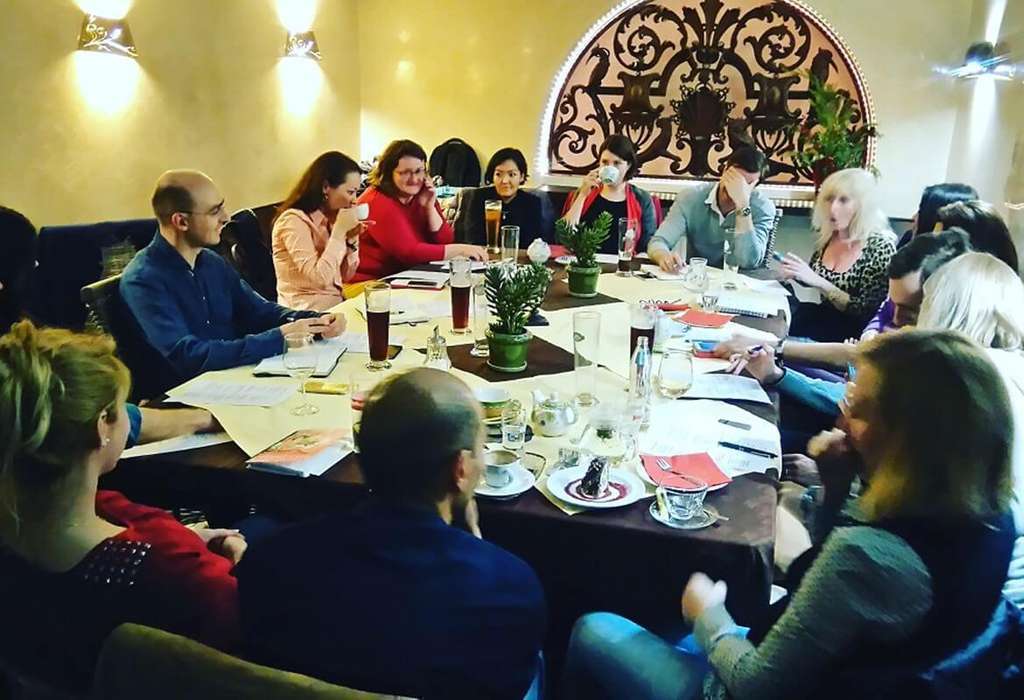
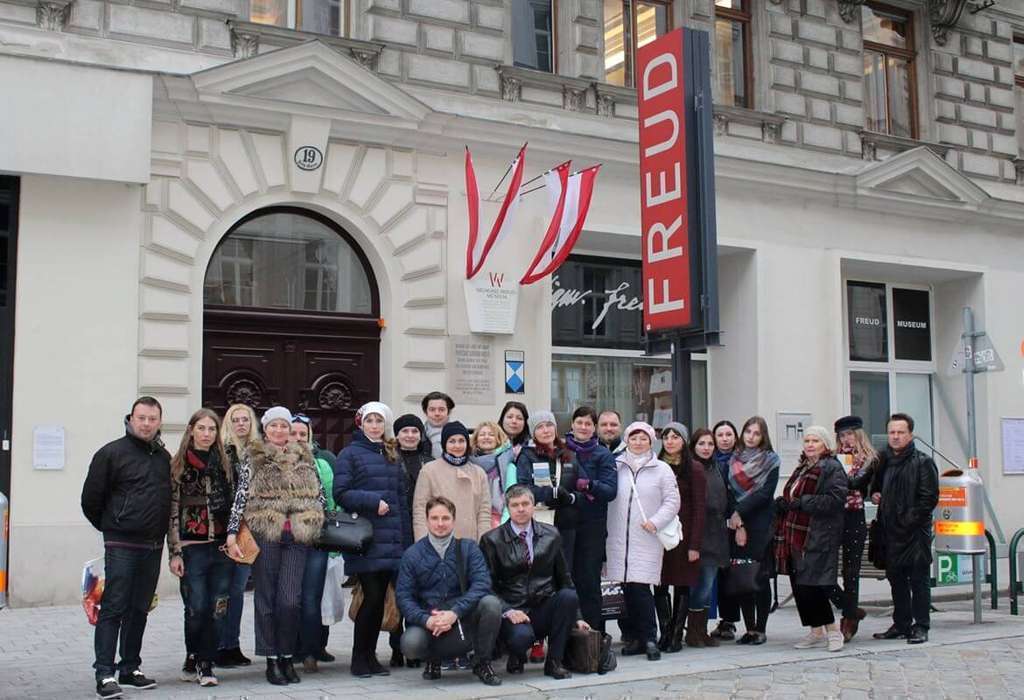
- Take the chance to join a group session, where several people come together and each shares part of their story. Here you can find like-minded people and support one another. You can do this at the Freud's Legacy club.
What healing the Inner Child will bring you
Work with the Inner Child is a concept from psychology that goes back to suppressed feelings, emotions and memories from childhood.
- These suppressed, unprocessed experiences can seriously limit the quality of our life. They can even make us ill and keep us from moving forward in life. Shadow work can help to process the unwanted parts of the personality.
- Beliefs, inner blocks and limiting patterns of behaviour are part of an unhealed Inner Child.
- Control, dependence, force, the craving for appreciation, the need for harmony, clinginess, helplessness and many other forms of behaviour are signs that work on healing the Inner Child is called for.
Get in touch with your Inner Child
What you loved in childhood stays in your heart into old age.
Kahlil Gibran
It is the experience of the first seven years of life that largely decides the course our life will take, the unique personality we will grow into, who we will be and who we are today, at this very moment. It is the inner images, the ways of thinking and behaving and the basic moods of early childhood that we carry within us that shape us, and that today help determine how we think, feel and act. That is why it matters so much to remember, and to keep in touch with, the child we once were. That child lives in us all the time, and everything we have lived through plays its part in our life — especially when something has touched us deeply and struck a chord. It means that everything that "strikes" me also "affects" me (Robert Betz).
The present is always a repetition of the past. A look back often gives us an insight into our life that can point us to important life issues and set processes of change in motion. So there are still many questions to which we are seeking an answer in our life. If we are willing and brave enough to reflect on ourselves, to keep the child inside us in mind, to build bridges to that child and to get to know it, this gives us a wonderful chance to say goodbye to old, obstructive behaviour and patterns of thought and to take up the new with open arms.
This is borne out by scientific findings in developmental psychology, attachment research and neurobiology. The brain researcher Gerald Hüther describes our brain as a "social and emotional construct" and argues that everything we feel, perceive, think and do is closely bound up with the images, experiences and thoughts we have carried inside us since childhood — and that all of this is refreshed whenever we are reminded of it, consciously or unconsciously, here and now. That is when all our worries, fears and sadness find expression, and of course our life experience too, filled with grief, joy and love. So do the needs that were met and those that were not, and the wanted and unwanted feelings that suddenly touch us deeply and set something off inside us. (Hüther, Gerald; Aarts, Maria: "Relationships Work Wonders — What Children and Adolescents Need in Order to Grow Up").