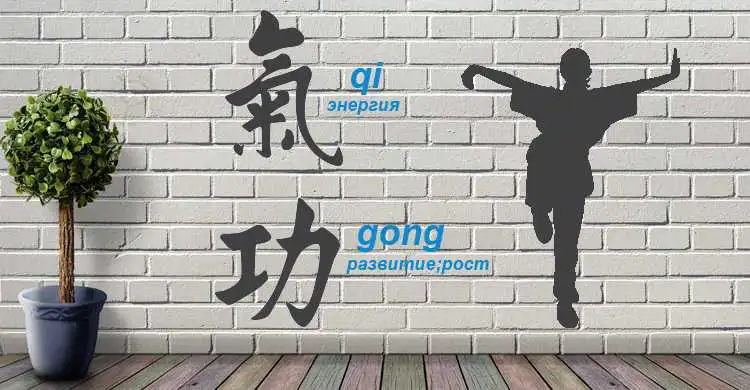
Traditional Chinese medicine defines qi as the life force that governs every activity in every form of life. It is present in physical objects, and just as much in the air, in sunlight, in warmth and… in our emotions.
So what is QI?
Western medicine has no adequate definition of qi. The closest term in meaning is human energy. A qi deficiency can therefore be translated as a lack of energy. But there is more to it than that.
Qi, together with the yin-yang theory (the balance and harmony of forces that only seem to be opposites), is a core component of TCM. The idea is that to maintain the yin-yang balance your body needs a sufficient amount of energy, qi.
When a person is balanced and in harmony, they feel healthy, content and well. Conversely, when qi is lacking, pain, illness and suffering appear.
The main signs of a lack of qi
The symptoms vary within very wide limits, because every organ and every process in the body uses its own qi.
A qi deficiency shows up in any place or system — digestive, cardiovascular, reproductive, musculoskeletal, nervous — where there is not enough life energy for normal functioning.
For example, the symptoms of a qi deficiency connected with the lungs include:
- Sudden sweating
- Allergic reactions
- Bronchial asthma
- A weak or hoarse voice
- Lowered immunity…
A qi deficiency connected with the kidneys is marked by:
- Memory loss;
- Hair loss;
- Pain in the knees or the lower back,
The symptoms of a qi imbalance may include:
- Dry skin;
- Brittle nails;
- Muscle pain;
- Weakness or chronic fatigue;
- A weight problem
- Anxiety and emotional exhaustion.
Among the most widespread causes are constant stress and chronic lack of sleep. We know that they raise the level of the stress hormone cortisol, which in turn leads to disruptions in the immune system and to emotional burnout, and increases the risk of developing depression. Health qigong, incidentally, helps to lower cortisol levels naturally, as do various medicines and some dietary supplements...
What causes a qi deficiency
A huge number of factors determine your qi. First of all comes genetics, of course. Your life energy depends on your diet, your emotions and the habits you have formed over a lifetime.
Qi is always changing. Certain physical and emotional factors are generally held to reduce your energy, for example:
- Hormonal imbalance;
- Poor nutrition;
- Environmental factors (air, water and so on);
- Problems inside the family and conflicts at work;
- Unresolved emotional problems;
- Muscle “blocks” and “tensions”…
How to restore your life energy, qi
The process will depend, first, on the type of qi deficiency, second, on how long it has been there and, third, on what caused it. It is better to identify the causes together with specialists in traditional medicine and to work on them in combination with it.

Recovery, treatment and health-building should be approached as a whole and should include different methods, among them health qigong, diet and the ability to stay in the moment, in the “here and now” (mindfulness)
While Western culture is more inclined to admire people who are always busy with something and never sit still, qigong masters argue for the opposite. To bring your qi into balance it is recommended, for instance, that you slow down. Become calmer in your movements and in your way of life, do not do many things at once and avoid multitasking. Do everything unhurriedly, step by step.
For instance, instead of snacking while you watch a film or check your messages, it is recommended that you simply eat and enjoy your food, every mouthful of it. And when you do the exercises, do not compete with heaven knows whom over the pace or the number of movements completed — synchronise them with your breathing and enjoy the process.
JOIN the daily practice of QIGONG at the “Freud's Legacy” club
Take care of yourself and stay healthy!
Your expert in getting rid of any stress and pain, Mikhail Borisovich!