Expecting a baby, going through childbirth, becoming a mother — this is one of the most wonderful and overwhelming experiences there is. On the other hand, a new family situation calls for serious changes to the life you had before.
For a woman, pregnancy means going through a bodily and emotional ADAPTATION, a preparation for “a different life”. It comes with phases of ambivalence: moments of uncertainty and fear, and the anticipation of happiness and joy. Pregnancy especially stirs up childhood memories — how your own mother related to you and cared for you — a leap into the past on the one hand, and plans for the future, wishes and fantasies on the other.
Questions of social security and of health come up, along with long-term plans for life; they arrive with fresh intensity and depend on HOW MUCH EXPERIENCE OF RESPONSIBILITY YOU HAVE.
In this period many women start to look after their health more carefully and prepare the body for the birth. These days women are offered a great many classes to get the BODY ready, from ordinary medical check-ups and lab tests all the way to yoga, breathing exercises and swimming for expectant mothers.
During pregnancy what comes to the fore is watching the signals your body sends. For most women this is a normal, calm process, and they are prepared for the body's changes and its “non-standard” reactions.
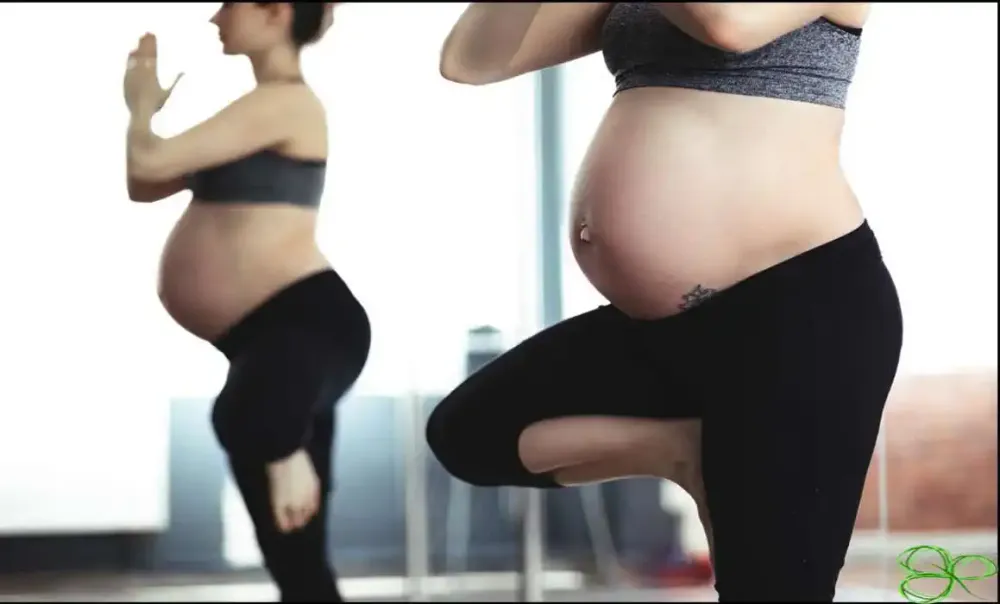
Yet hardly anyone stops to think how important it is to prepare for pregnancy and childbirth on the psycho-emotional level as well.
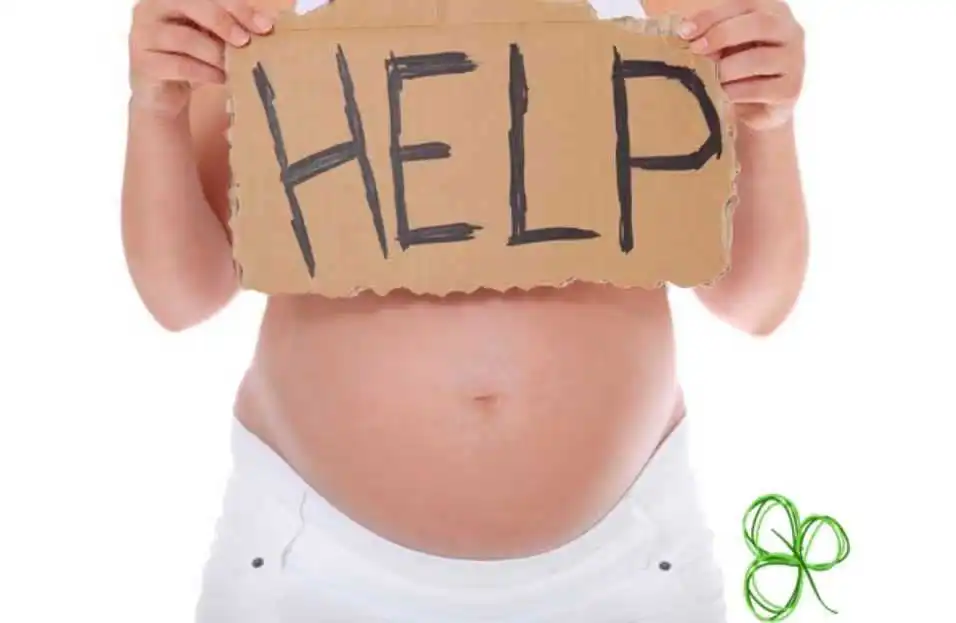
Some women may react especially sensitively to “normal” bodily signals and go through a pre-depressive state, marked by the following symptoms:
- restlessness,
- fear,
- tension,
- low mood,
- apathy,
- loss of the “joy of life”,
- self-doubt,
- insomnia,
- loss of appetite,
- obsessive "bad" thoughts.

All of which has a very damaging effect on the health of the mother-to-be and of the baby. This applies in particular to women who were not lucky enough to have a good childhood, whose earlier life was marked by psychological or social upheaval, who have no support from a partner or from those close to them, or whose previous pregnancy or birth came with complications.
Here are examples of the cases people bring me in my own practice:
- divorce, separation, an affair during pregnancy,
- fear of losing the baby,
- a difficult family situation,
- the death of a partner (or of someone close) during pregnancy or after the birth,
- job loss,
- being a student with an unplanned pregnancy,
- a forced move, emigration,
- a pregnancy with complications.
Symptoms and environmental factors like these very often go hand in hand with the development of postnatal depression. It is very important to ask a specialist for help as soon as the first of these signs appears. A timely conversation with a counsellor will help you get rid of the negative feelings, gauge the level of your emotional state, and give you recommendations and information on what to do next.

The signs, the causes and the consequences of postnatal depression, along with the options and outcomes of treatment, have long been recognised by research — and yet they are still ignored in obstetrics. And it is the gynaecologist who is the first professional an expectant mother turns to; it is the gynaecologist who is already in a position to hear and identify the signs of trouble coming and to refer the woman for counselling in good time. The same goes for the partner and for those close to her: with daily contact and attention they can spot certain changes in the behaviour and the psychological state of the pregnant woman and try to help her.
An important aspect that is often underestimated or hushed up is the baby: what effect does the mother's state have on the child's development? The research of the paediatrician, “infant researcher” and expert on infant psychosomatics Josefine Schwarz-Gerö rightly points to the complex workings of the mother–infant dyad. She has shown that unfavourable conditions — both social and to do with the mother's psychological state during pregnancy — can lead to a “disrupted” interaction between mother and child and, as a result, put the child at a disadvantage in the course of its development. In her talks Josefine describes the clear and serious effects of postnatal depression on the child's further physical and mental development. She also sets out approaches to early detection and treatment.
I fully agree with what she says. From my own data, gathered over many years of work on a postnatal ward, I can say unequivocally that the mother's psycho-emotional state, as well as the way the birth went (an elective caesarean by request, a caesarean on medical grounds — planned or not — or a natural birth) have an enormous influence on the child. But more on that in other articles.
It is just as important for my colleagues to be clear about the limits of their own competence in this area, because there are cases where a woman needs to see a psychiatrist. So take the full measure of your responsibility when counselling women who are pregnant or have recently given birth: you are responsible not only for her, but also for her baby and for her whole family, and misreading a client's state can do irreparable harm!
A large contribution can also be made by social services, which are an important link in the multi-professional chain of care and the connecting piece between care for pregnant women and later care for the mother or the parents. They provide support with financial difficulties, legal questions, housing problems and other serious matters (domestic violence, for example) that can affect mothers and therefore the well-being of children.
Women should remember that first and foremost it is YOU who are responsible for yourself and for your baby! Being careless about your physical and your mental health will do enormous harm both to you and to your child, and sadly there will be a price to pay — the consequences can sometimes be very sad indeed.
© Natallia Nechai