Plenty of people dream of start-ups, and they enjoy talking about start-ups even more. Meanwhile «self-development, start-ups, personal growth» all get lined up together on the internet. So off I went to take a second degree and do a start-up... And I hear other opinions: why can't you just live? Remember Tatyana Oleshkevich and her video saying that «successful products are invented by people who travel and have sex»?

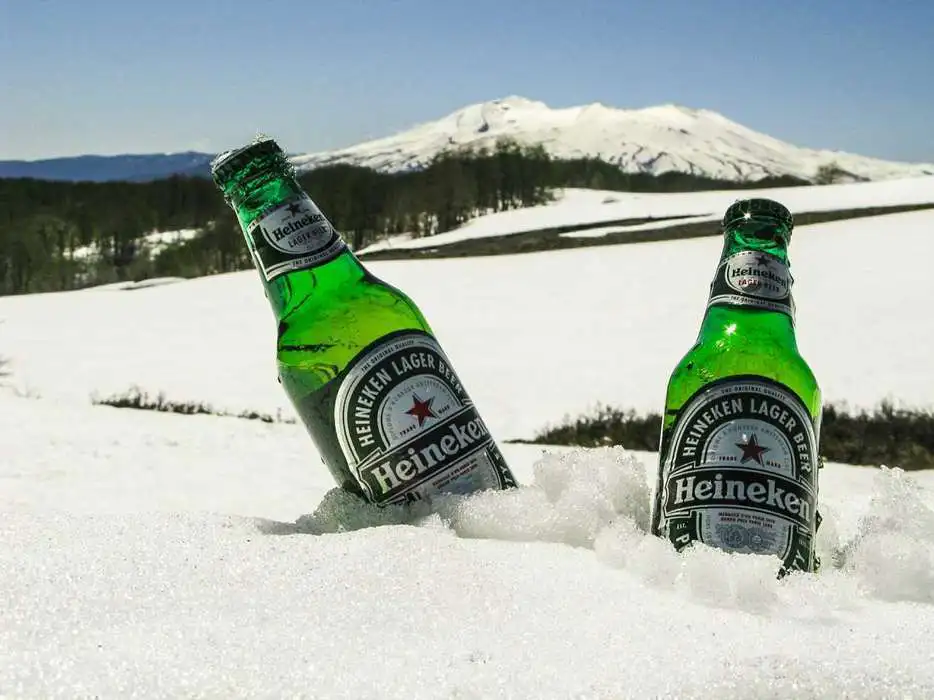
Well, I have done some travelling, and here for discussion is the product of my observations: a green-bottle explanation of why one should bother with self-development. Make it to the end of the discussion and your reward, instead of a beer, will be a three-minute video of how beer is brewed)))
The philosophical explanation
So, why bother with self-development? Rumour has it that Socrates said: «There is no better way to live than to spend your life striving to become better.» And Karen Horney, in her book «Neurosis and Human Growth: The Struggle Toward Self-Realization», widened that: GROWTH is an INBORN STRIVING in the human being's EVOLUTION.
Working at ourselves becomes not only our prime moral obligation, but at the same time, in a very real sense, our prime moral privilege. The transformation we seek depends upon our willingness to work at ourselves, and it takes place to the extent that we take our growth seriously. As we lose the neurotic obsession with self, we become free to grow ourselves, free to love and to feel concern for other people. We want to give them the opportunity for unhampered growth while they are young, and to help them in whatever way possible to find and realize themselves when they are blocked in their development. WHETHER FOR OURSELVES OR FOR OTHERS, THE IDEAL BECOMES THE LIBERATION AND CULTIVATION OF THE FORCES WHICH LEAD TO SELF-REALIZATION»
Karen Horney
What did Karen mean by that?
- We are born with constructive forces of growth and evolution. That is, by nature we strive towards self-realization.
- We grow and unfold our potential if we believe in ourselves, are active and productive, and build relationships with people in a spirit of mutuality.
- Only we ourselves are responsible for our growth.
- The criterion of that responsibility is a choice: do my beliefs and habits hinder my growth or help it.
- Since destructive inner forces hinder growth, we had better outgrow them.
- For that it helps to know and understand yourself.
- That the Path runs through becoming aware of yourself and understanding yourself.
- Therefore self-knowledge is the means of releasing the forces of personality growth.
That sounds poetic, beautiful and lofty, and at first far too distant from the everyday life you can actually touch. And if you cannot touch it, then it is still unclear why you should make the effort to work at yourself. What you can touch, though, is the results of what other start-uppers have done. Take a bottle of beer, for instance. It is often green; a lot of people like beer, and it all seems to go without saying. And yet there would have been no «bottle of beer» without the Dutch family of the Heinekens.
The bottle explanation
Gerard Heineken was an ambitious young man and, most likely, dreamed of his own start-up. In 1864 his chance came. His mother asked her son to find a use for the family money that would solve the drinking problem in Holland. People were getting drunk on gin, and there was no loftier alternative to the cheap stuff. With his mother's blessing, Gerard bought a brewery in Amsterdam. At 22 he lacked the knowledge, but that did not stop him from the idea of brewing high-quality beer. What did the lad do that turned his purchase into an empire?
- BORROWING EXPERIENCE. First he copied the technology of the Bavarians, the leading brewers of the 19th century. He introduced bottom fermentation into the brewing process and made the beer lighter and smoother.
- THE RIGHT NAME. Since the beer had become lighter and smoother, it had to be given a name that sells. Gerard changed the name from «Workers' Beer» to «Gentleman's Beer». One change of definition, and sales went up)))). Three years after founding the company Heineken and Mates :-) he built a new brewery on Stadhouderskade in Amsterdam, which today houses the Heineken Experience visitor attraction. Where, by the way, they sell sports bags, swimming costumes and hats for up to 30 euros, which cost twice as much in the sports chains. Given that the entrance ticket includes three glasses of beer, there is a point in going)))
- IMPORT SUBSTITUTION UNDER SANCTIONS. In 1870 the Franco-Prussian war meant that Bavarian beer stopped being shipped to Holland. Heineken's main competitors were gone and he became a monopolist! Does that remind you of anything today?
- INNOVATION. Heineken was the first in Holland to install a refrigeration plant in his brewery. His competitors bought expensive natural ice or stored it in cellars. Our hero's ice was produced by a machine as the process went along. There was more beer, and it was cheaper.
- MYSTIQUE. Gerard became the first brewer in Holland to set up a laboratory for improving the quality of the beer. In 1886 he invited Dr Elion to cultivate a special strain of yeast for the company. It is now called «A-yeast», it is patented, and it is the TOP SECRET ingredient of Heineken beer. Even if it is no different from ordinary yeast, nobody will ever check. And it does sound mysterious, doesn't it?
- RECOGNISABILITY. And finally the green bottle. It appeared in the 1970s and it too was the Heinekens' idea. Before that the beer was only sold on draught.
Gerard Heineken was the typical embodiment of the modern start-upper, only in the 19th century. The Steve Jobs of brewing, probably). What drove him? At the very least, he knew what he was living for.
I have set myself the task of continuing this business with the greatest effort and scrupulous attention, and I shall leave no means untried to persevere in supplying beer of the very best quality in the long term»
Gerard Heineken
I liked that motto enormously. Let's have it once more, in the original English!
I have set myself the task of continuing this business with the utmost effort and painstaking care and will leave no remedy untried to persist in supplying the best-quality beer in the long term
Gerard Heineken
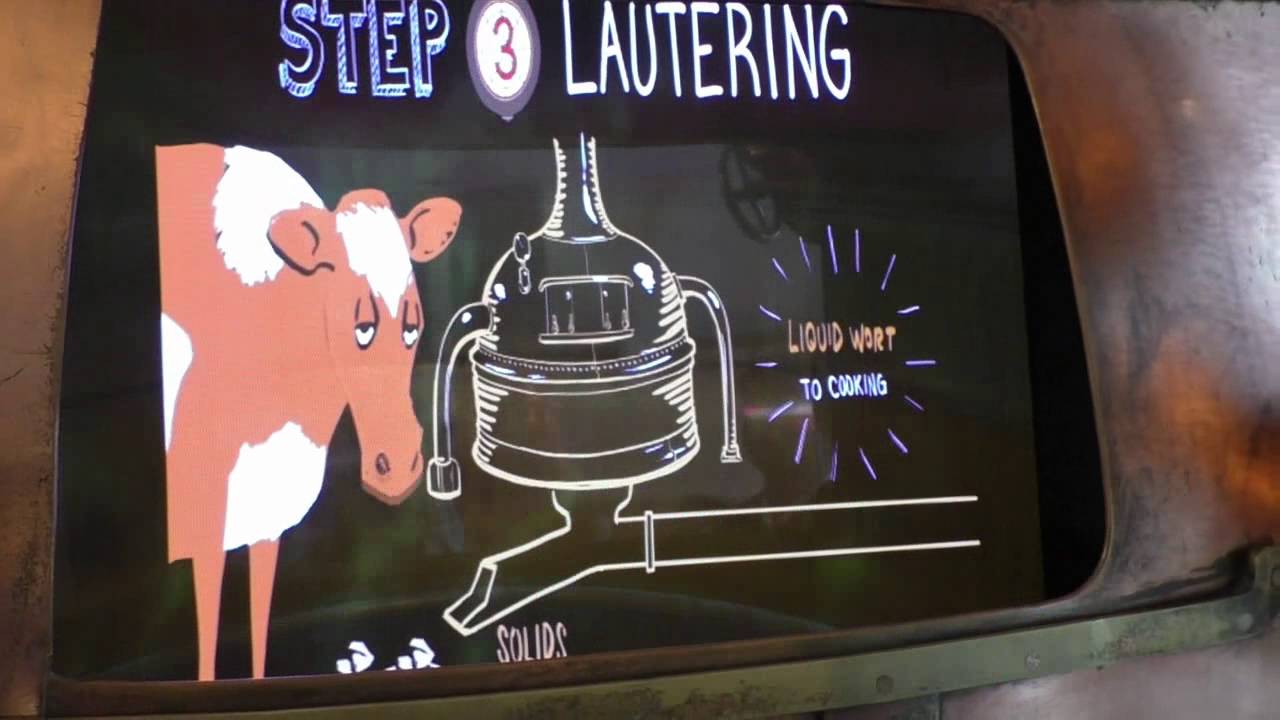
It seems Heineken knew the goal of his life. And as a result we have a green bottle of beer in our hands. That is why I feel good when other people work on themselves))) For everyone who has now found out why it is good to work on yourself, here it is: the promised video about brewing beer, filmed at the Heineken Experience museum in Amsterdam.
Afterword. What else?
Is everything in life that beautiful, though? The road to hell can be paved with good intentions. Being one of the elite, like Heineken, is a huge responsibility, because many thousands of people can suffer from your decisions. Maybe Heineken acted rightly. Maybe he was lucky. In future posts we will also discuss survivorship bias. That is about how we see a couple of winners and know nothing of the thousands who took the risk and lost. What skills do the Heinekens of this world have? No, not time management))))) And not the skills out of Dale Carnegie's books. Those are trifles. We will discuss that too.
How might the Heinekens feel, starting a new venture without knowing the trade? Hard calculation, planning, or a dive into the dark? And how do you cope with that sense of blindness before something new? We will discuss that as well) And in the meantime, enjoy your beer out of a green bottle. It was made by a man who kept on developing his business.