Have you ever noticed that certain events in your life follow much the same plot — only the scenery changes?
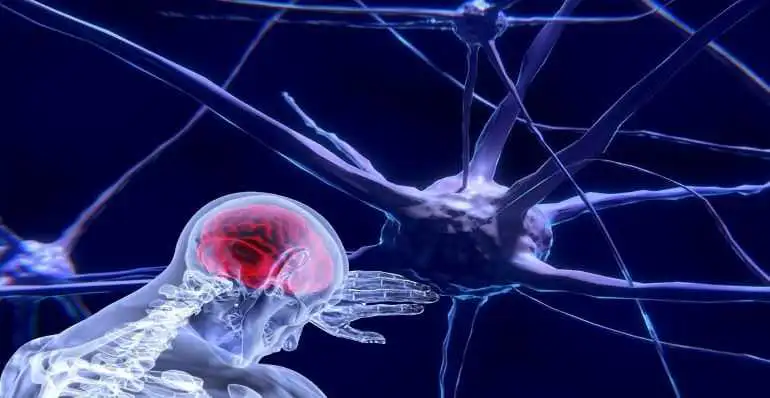
Imagine that every relationship of yours ends the same way: partners betray you and walk out, friends make use of your easy-going nature, and you keep swallowing your own wishes and acting against your own interests just so that the people around you would not think badly of you. It turns out there is a mechanism at work — a logical chain that leads to one and the same ending. As banal as it may sound, many of us grew up in destructive families, and that built a whole system: the psychology of getting stuck in the victim position. So we draw to ourselves the very situations in which we automatically end up as the victim. How can you recognise this chain of patterns? Let us look at the family. How did your parents react to your requests or your complaints? What was the relationship between your parents like? All these templates formed the neural connections along which we go on to build our later relationships, seeking out the habitual, familiar situations in which you find yourself in a comfort zone of sorts, one you have known since early childhood. Leaving it can feel unsafe and painful. It looks as if someone had taken your computer board, wiped off everything that was on it and uploaded new programs. When you come to realise that the scenario you know from childhood, with its well-worn routines that work 99 % of the time, no longer suits you and that something has to change — and that any change comes with pain and parting — you begin to understand that in matters like these you need a guide. I invite you to join our club Freud’s Legacy. We hold 25 events a month that will help you understand and untangle the mechanisms of your programs, learn how to build new neural connections and form new habits.