There are quite a few ways of classifying headaches. First and foremost, they can be divided into primary and secondary headaches.
Primary headaches are conditions in their own right, and they include:
- cluster headaches;
- migraines and
- tension headaches.
Their causes are linked to the pain-sensitive structures of the head, including the blood vessels, muscles, connective tissue and the nerves of the head and neck. Primary headaches are also the result of increased chemical activity in the brain.
Secondary headaches are conditions with various symptoms and causes that irritate the nerve endings and, as a result, bring on a secondary headache. They include:
- a hangover
- dehydration
- problems with the spine
- influenza and acute respiratory infections
- panic attacks and other psychological factors
- excessive use of painkillers (rebound headaches)
- headaches from cold foods (ice cream)
- concussion
- glaucoma
- toothache
- heatstroke or sunstroke
- brain tumours
- the formation of blood clots
- a brain haemorrhage
- carbon monoxide poisoning.
If the pain in your head grows stronger, becomes regular or does not stop, be sure to seek help from a doctor!For instance, if the headache has become more intense than usual; if the condition is getting worse or does not improve when medication is taken; if it comes with symptoms such as confusion, fainting, a stiff neck or changes in sensation and perception, see a specialist immediately.
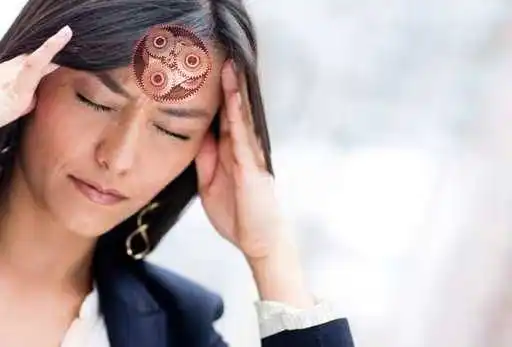
Tension headaches are the most common form of primary headache. Such headaches usually begin slowly and build up gradually. The sensations are:
* a tight band around the head (the head feels squeezed)
* a constant dull pain on both sides of the head
* pain spreading to the neck or coming from it.
Tension-type headaches can be either episodic or repeated. Episodic attacks usually last a few hours, but they can stretch out over several days.
Headaches can be called chronic when the condition occurs more than 14 times within a month and for at least 3 months in a row.
Migraine. A migraine headache is usually throbbing in character and only on one side of the head. It comes with:
- blurred vision
- difficulty in thinking
- nausea
- sensory disturbances
- hypersensitivity to sound and bright light.
A migraine attack can last from a few hours to several days.
Migraine is the sixth largest cause of working days lost to disability worldwide. According to the WHO.
Headaches linked to the excessive use of painkillers, or rebound headaches, are the most common cause of secondary headaches.
They usually start early in the morning and stay throughout the day. The pain lessens when medication is taken, but it gets worse again as soon as the effect wears off. Along with the headache itself, they cause:
- neck pain
- irritability
- a feeling of a blocked nose
- insomnia.
Rebound headaches cause quite different symptoms, which may vary from day to day.
Cluster headaches usually last from 15 minutes to 3 hours. They come on suddenly, from once to eight times a day. They can go on for several weeks or even months. Between the attacks the headache may not appear at all, and this pain-free period can last for several years.
A cluster headache is:
- one-sided
- intense
- described as burning
- located in or around the eye.
The affected area becomes redder and swells, the eyelid droops, and the nostril on the affected side becomes blocked.
Sudden severe headaches are pains like a clap of thunder, which patients often describe as "the worst headache of my life." They reach their maximum intensity in less than a minute and last for a long time.
Such headaches are most often secondary and are linked to life-threatening conditions:
- an intracerebral haemorrhage,
- cerebral venous thrombosis,
- aneurysms,
- reversible cerebral vasoconstriction syndrome (RCVS),
- meningitis
- pituitary apoplexy.
Treatment
The most common ways of treating a headache (without removing its cause!) are still rest and medication.
General painkillers are available without a prescription, or a doctor may prescribe medicines such as tricyclic antidepressants, serotonin receptor agonists, antiepileptic drugs or beta blockers.
It is important not only to follow the doctor's advice; remember that excessive use of painkillers can bring headaches back, the "rebound" headaches, but to remove their cause itself. Treatment of "rebound" headaches, for example, involves reducing or stopping the use of painkillers.
Alternative ways of treating a headache
There are several different ways of treating headaches, and it is important to consult a specialist before making changes in your life or, generally, starting any alternative treatments, which may include:
acupuncture and reflexology
cognitive behavioural and other psychotherapy
herbal preparations, food supplements and aromatic oils (>>> read the article)
massage and manual therapy
hypnosis and self-hypnosis
meditation and exercises.
My own practice has repeatedly confirmed the positive results when these methods are used together.
What can I do on my own?
There are steps you can take to lower the risk of headaches and to ease them when they do appear
Put a heat pad or an ice pack on the head or neck area, but avoid extreme temperatures (do not overheat and do not overcool)
Avoid stressful influences where you can. You can work out healthy strategies for coping with stress together with a specialist.
Book a consultation
Eat regularly and properly. Keep your blood sugar at a normal and steady level.
A hot shower or a contrast shower may help you.
Regular physical exercise, proper rest and regular sleep will help to strengthen your health, to cope with stress and to make it possible to avoid headaches later on.
An addition. Diagnosis
A doctor can usually establish the type of headache through an examination, questioning and a description of the condition: the character of the pain, the time and the duration of the attacks. If the diagnosis proves difficult, and in order to rule out suspicions of more serious problems, further examinations and tests may be carried out:
blood and urine tests
ultrasound of the vessels of the head and neck
X-ray examination
brain scans (CT and MRI)..
Take care and stay healthy!