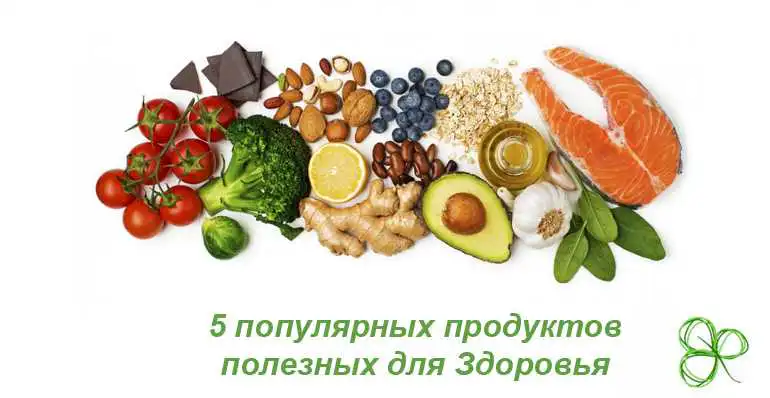
Research into a healthy way of life is widening and deepening in all sorts of directions. Health experts and dietitians, among others, keep confirming the benefits of certain foods that help to avoid various illnesses (including some kinds of cancer), bring weight back to normal and improve the state of those who already have a disorder.
Even so, too much information often makes it harder to see which foods suit which situation, so here in short are the best foods for healthy eating. So, the first five.
Apples can be called "nutritional powerhouses" because of the impressive amount of useful substances they hold.
Apples hold about 14 per cent of our daily need for vitamin C (a powerful natural antioxidant), B vitamins (prevention and treatment of neurological illnesses), dietary fibre, phytonutrients (they help protect the body from the harmful action of free radicals) and minerals, among them potassium, which the heart needs to work.
Studies have shown that eating at least one apple a day will help to prevent dementia (senile weakening of the mind) and will lower the risk of stroke and diabetes.
Bonus! Eating a few apple pips a day covers the body's daily need for iodine.
The banana - is so rich in biologically active substances that it should not be given up under any circumstances. Bananas hold no cholesterol and no sodium, but they are very rich in potassium.
The health benefits of bananas:
-lower blood pressure,
-a lower risk of childhood leukaemia
-support for the work of the heart
-useful in high blood pressure and atherosclerosis.
Because the banana holds a lot of sucrose, it used to be ruled out, without good reason, for people who are overweight or have diabetes, and that is quite wrong. This valuable fruit not only lifts the mood, it is also one of the best foods both for light, low-calorie days and for feeding children. It works as a dish on its own and in company with other fruit. Take care and stay healthy!
Eggs are one of those few foods that deserve to be classed as "superfoods." They are all but the perfect food, holding nearly every nutrient we need.
One large egg contains:
- Vitamin A: 6% of the RDA (recommended daily allowance)
- Folic acid: 5% of the RDA
- Vitamin B5: 7% of the RDA
- Vitamin B12: 9% of the RDA
- Vitamin B2: 15% of the RDA
- Phosphorus: 9% of the RDA
- Selenium: 22% of the RDA
Eggs hold a large amount of vitamins D, E, K and B6, calcium and zinc. Around 77 calories, 6 grams of protein and 5 grams of useful fats.
The lutein and zeaxanthin held in this food are powerful antioxidants that help keep eyesight good.
On top of everything else, eggs lower the risk of cardiovascular disease and diabetes, help bring weight back to normal and are good for men's health.
Tomatoes were not called a "functional food" for nothing.
Tomatoes are a rich source of vitamins A and C and of folic acid. They hold a wide range of useful nutrients and antioxidants, among them alpha-lipoic acid, lycopene, choline, beta-carotene and lutein, and in what they give us they outdo such leaders as melon or even apples.
Tomatoes, like tomato juice, prevent chronic illnesses and also help to lower pressure inside the eye and blood pressure, and are useful in various forms of anaemia. They are used not only in special diets but in everyday sensible eating. It is important to remember that tomatoes should be limited in gall bladder disease, especially together with gluten (bread, pasta, potatoes...). Tomatoes go badly with meat and with other foods high in protein. Nor is it worth stewing or preserving them, because in time the useful compounds turn into inorganic ones. They lose their useful qualities and in time can even do harm. Tomatoes go best with foods high in fat (cheese, nuts...). Like fruit, tomatoes or tomato juice are best taken half an hour before a meal
The onion - has been known to us since childhood for its bactericidal and antimicrobial action. It has a choleretic and mild diuretic effect. It is useful for preventing atherosclerosis and cancer. It sharpens the appetite and balances water and salt, lowers the risk of some cancers, lifts the mood and keeps skin and hair healthy.
"Hold an onion in your arms and every illness passes," says an Eastern proverb.
Onions differ in size, shape, colour and taste. The commonest kinds are red, yellow and white onions.
The aromas can range from sweet and juicy with a mild taste to sharp, spicy and pungent, often depending on the season and on the region where they are grown. An estimated 10 billion kilograms of onions and more are harvested around the world every year.
Take care and stay healthy!