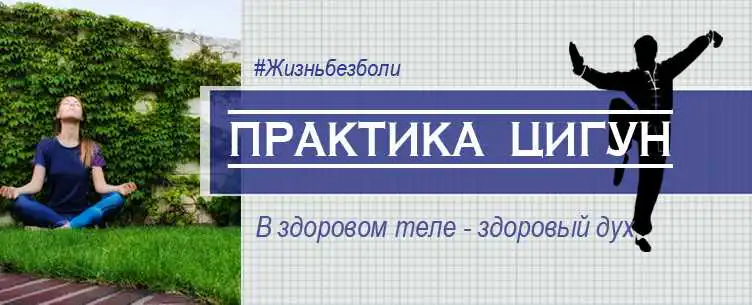
There are many kinds of qigong exercise to choose from. They all share a common basis, but they may differ in their sets of exercises and in their teaching methods.Once you start practising qigong, you will realise that it is not about separate exercises but rather about a series of flowing movements combined with deep breathing and with attention focused on the “here and now”. That is why qigong is so often called “meditation in motion”.
How to start a qigong practice
If you are ready to practise qigong, you are probably wondering where to start. Here are a few tips to point you in the right direction.
- Find a specialist. The best way to learn and practise qigong is to work with an instructor. You can find groups to train with at local fitness centres, for instance, or online, or you can join the daily extended qigong practice at the “Freud's Legacy” club straight away
- Do not rush into the practice — talk to the instructor, watch a session, chat to a few of the programme participants to find out why they enjoy qigong.
- On YouTube, besides the formal and promotional videos, you will also find several excellent clips about qigong exercise with demonstrations of the movements.
The benefits of qigong
The gains from a regular qigong practice cover the physical, the mental and the emotional side; it will give you not only a number of healing benefits but also — and I am not afraid of the word — spiritual ones.
Below is a list of the best known and best proven qualities of qigong:
- It suits anyone. Qigong is both gentle and slow, which makes it easy to adapt to different levels of fitness and different states of health.
- It eases pain. Practical experience confirms that the sessions reduce symptoms caused by muscle spasms and osteochondrosis.
- It is an effective and safe form of physical activity for beginners. The slow, gentle movements are safe and good for your body, and they also help to increase your flexibility and improve your posture.
- You will look slimmer. Thanks to the slow, mindful flow of movement, a qigong practice helps to improve your posture and to acquire balance.
- It helps you to cope with the stress that comes with anxiety and fear. It combines all the benefits of letting go, stretching and relaxation directly within movement. You will grow calmer as you do the exercises, the breathing practices and the meditation.
- Your mood will improve. Researchers have confirmed that qigong effectively reduces the symptoms of depression, anxiety and other mood disorders.
- You will sleep better. A regular qigong practice promotes calmer and deeper rest.
On the benefits of qigong for older people
Qigong is one of the most popular forms of exercise for older people, both for the physically active and for “newcomers” to a healthy lifestyle.
- Body awareness increases. This comes from slow, deliberate movements of the body accompanied by deep breathing. That combination helps people, and older people especially, to concentrate on how their body moves and to remove any discomfort they may be feeling.
- Cognitive ability improves. One study in 2018 showed a link between a qigong practice and improved cognitive function in older people with mild cognitive impairment. That is promising news for older people who want to improve their memory and keep an active way of life.
- Dizziness and the risk and fear of falling go down. Keeping good balance, flexibility and coordination becomes very important with age. Qigong improves balance, motor function and coordination.
- It eases the pain of osteochondrosis and arthrosis. A regular qigong practice reduces the symptoms and eases the condition in these disorders of the spine and the joints, especially in older people.
PS in the club sessions we practise different variants, and among other things you will be able to do the exercises sitting down as well.
Take care of yourself and stay healthy!