How do you win an argument? It is worth remembering that proving your point head-on provokes resistance, and that there are almost invisible ways of nudging a person towards what you need. The ones described in the article "How do you get someone to act, without proving anything? Through the control of concepts!". But covert persuasion takes time, a latent period, until the suggestion surfaces in the other person's head as their own)
And what if you need to win someone over faster? You can hardly crush them with facts! This is where Sleight of Mouth comes in handy. With it you can step out of a dig elegantly and diplomatically, as here: "Dodging the Dig. Sleight of Mouth". You can deliver a fine speech or a toast, as here: "How do you give a toast? Sleight of Mouth!". And you can win an argument!
Change the picture of the world!
With Sleight of Mouth we do not press the other person. We change their picture of the world. Just as in the game "Dodging the Dig", we listen to the other person's opinion and glide off it. We show them something off to the side, something very much like their opinion, yet already changing it. We show them something similar but different, something that already suits us. We widen the frame, we change the picture, and the person begins to think in a new way. They can look at the world from a new point of view, the one we have just handed them. And see that they have not taken everything into account, that there is something beyond their field of vision.
So then: Sleight of Mouth!
Watch how it works in a scene from the TV series "Agentstvo NLS" ("The NLS Agency", season 1, episode 6). The task itself is already hilarious: a salesman has to talk a woman out of the idea that the present is too expensive for her!

The salesman uses a chain of Sleight of Mouth patterns. In NLP jargon this device is called the "Domino": one pattern flows smoothly into the next through linking words. So here is what the salesman says, and which patterns he uses (the comments are mine):
If I were to argue that this piece of jewellery is a cheap present, that would be laughable
Consequences
What outcome can the belief lead to? What is more, this is a provocative pattern. The point is to raise a mild protest against statements pointing the other way (cheap - so it has to be expensive).
But if I say that a bride should be given a cheap present, that is even more absurd
Another Outcome
What other problem could carry more weight than the one contained in this belief? A provocation!
Listen to a man of experience
Apply to Self, and Model of the World
A pointer to personal experience. Whose opinion would put the belief in a different light? From whose point of view is this normal?
By the way the sun rises you can tell how the day will rise?
A Fine Analogy
What relationship is analogous to the one defined by the belief but carries a different implication (one that would cast doubt on the belief or reinforce it)?
If your husband-to-be is this generous even before the wedding, what happens next? Sheer nightmare! He will shower you with presents and make living together disgustingly pleasant!
An Appeal to Consequences
What positive outcome can the belief, or the relationship it defines, lead to? Everybody wants a great deal))) If there is nothing to say, you can always paint a beautiful future. And never mind that it may never arrive)))
Oh, do stop making a fuss! Can you not see the man is suffering! Is it really so hard for you to wear a necklace and earrings?
Reality Strategy
Which cognitive processes are involved in building this belief? Plus a little pressure on her pity.
They weigh all of half a kilo, and there are enough carats in those little stones for four Mercedes! What is there to argue about?
Provocative Chunking Down (Splitting)
Which smaller elements or components does the belief contain, ones whose internal relationships would be richer or more positive than the relationship the belief defines? Ask a clarifying question. We reduce it all to trifles.
There is a drawback, mind you. Nobody else in town will have a pair like these.
Another outcome
What other outcome (or problem) could carry more weight than the one contained in this belief?
But in time you will make your peace with being one of a kind
Hierarchy of criteria
Re-evaluating (or reinforcing) the belief by a criterion that outweighs any of those the belief rests on. At this point I am in stitches, no comment)))
Want to learn to persuade like that?
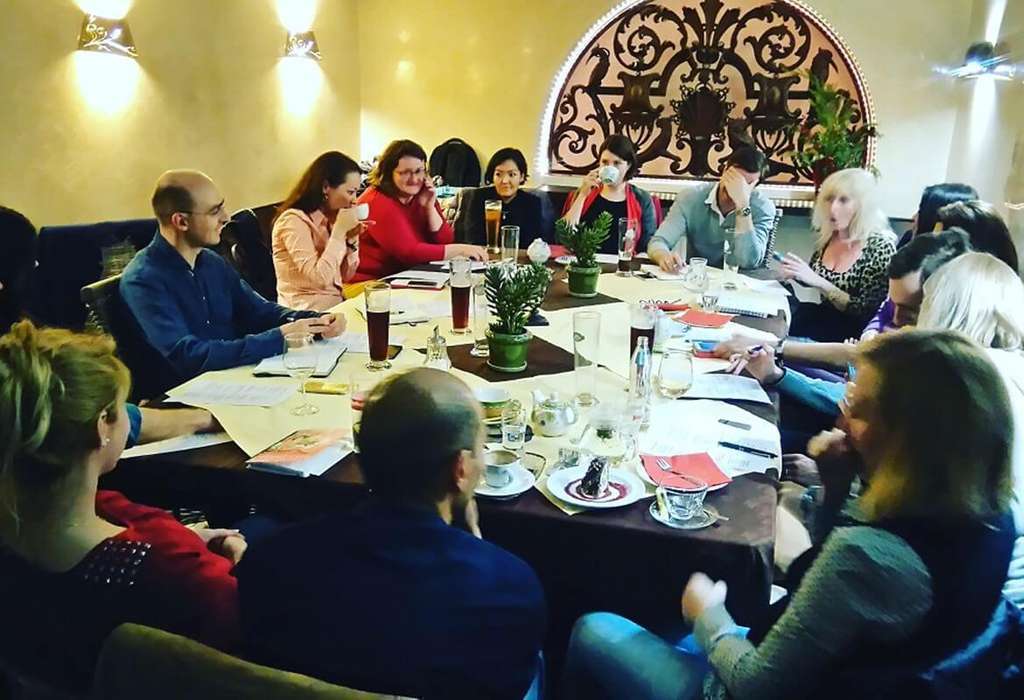
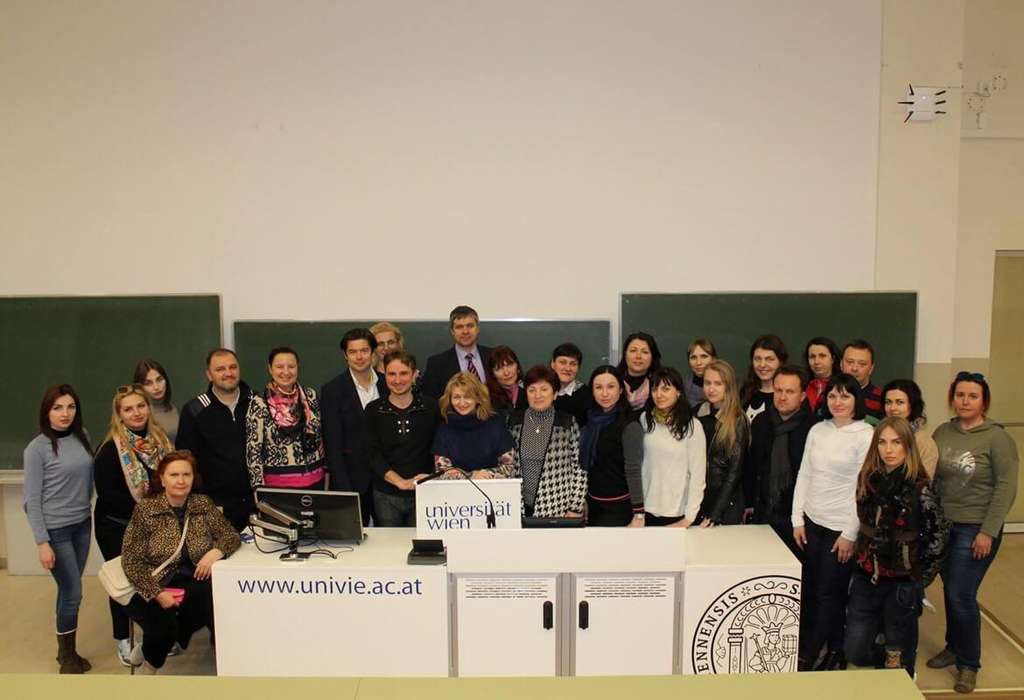
At the meetings of the Freud's Legacy club we learn, playfully, to win people over, to parry attacks in a politically correct way, and to make a speech. Interested? Fill in the form and we will call you back with the details!