A melancholic is an Extravert in the Passive Life Position. Harmony, friendship, relationships, family, home and children matter to them — and world peace probably would not go amiss either. They need contact with others, because it is in contact with the world that they come to know themselves far better.
If the melancholic is a woman, then she is femininity in its brightest form. And geared towards having children, on top of that! If the melancholic is a man, then he is a stay-at-home husband in slippers who adores cooking and raising children. A lovely creature, all in all.
That is the modern reading. But if you turn to Hippocrates, who three thousand years ago suggested that a person's behaviour depends on which of the «vital juices» predominates and called this Temperament, the picture is a different one. A juice could have two properties: hot/cold and dry/wet. In melancholics, according to Hippocrates, the cold and dry juices prevailed. What came of them was...
The ancients, in short, were wise but not quite that clever. Never mind! Melancholics handle risk far more carefully than most of the people they know, they are unlikely to lose their heads over promotion, and they try to choose the safer, more dependable paths, roads and decisions.
You can always rely on a melancholic. They value love and kindness and, for all their outward calm, will go a long way for their family and those closest to them. People value in them their sensitivity, their care for others and their selflessness, and at the same time their good sense and caution.
A melancholic, as an extravert, is oriented towards people, and has a great many feelings and experiences. When he goes deep into himself, he plunges not into reflection but into experiencing. Connection with the world matters to a melancholic. The world is for him a source of feelings and experiences.
Fear and joy in a melancholic often look like sadness to someone watching from outside. Remember Eeyore in the cartoon about Winnie-the-Pooh? Melancholics often retreat into daydreams, usually sinking right into them, into a rich inner world, into which they dive, and in that world he goes through all kinds of suffering and beauty at once. That is, they suffer and take delight in it at the same time.
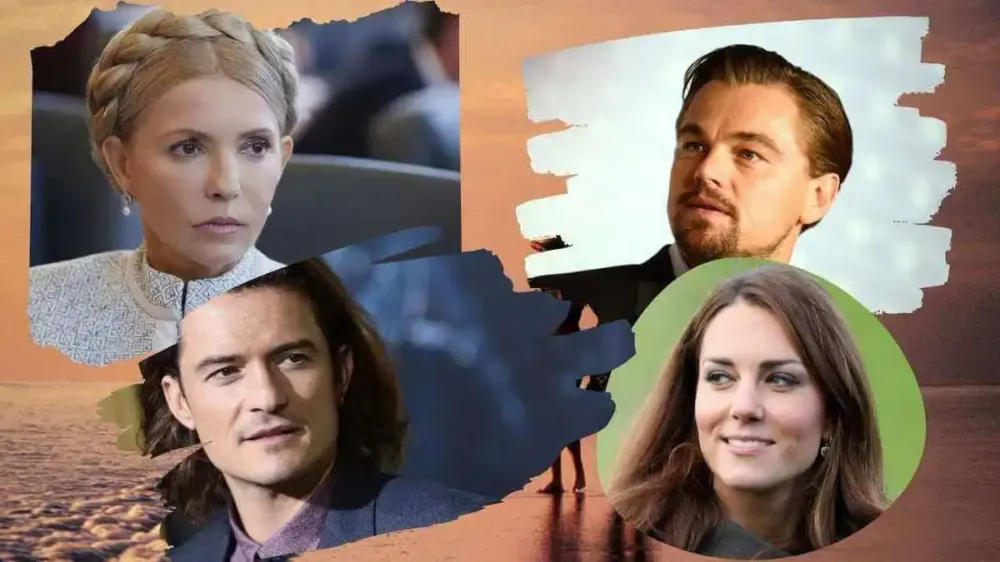
If you want a vivid picture of what typical melancholics look like, take the example of... Russia on the one hand, and India or Ukraine. At their core these are melancholic countries, and they differ mainly in their Ego types: India is even more sensitive and given to experiencing, Russia is more action-driven and oriented towards action. Ukraine is a melancholic country too. It is no accident that the image of a woman with a braid worked so well for Tymoshenko.
And by the way, about "depressive" Russia. Later on you will learn that Melancholics grow into one of three personality types: Epileptoid (the Romantics), Depressive (the Caring One) and Frustration (the Philosophers). All of them share (as their "artistic" names suggest) a romantic and a depressive streak. A "melancholic character" had been described since the end of the 18th century, and in the 20th century it drew particular attention from psychoanalysts, Jung, Freud and Berne among them.
Thomas Moore, "Gifts of Depression", 1852A person prone to melancholy used to be called «a child of Saturn». Saturn is described as cold and remote, but it carries other meanings as well. It was sometimes called the god of wisdom and philosophical reflection. Some Renaissance gardens had arbours dedicated to Saturn — a dark, shady, secluded place where a person could rest and sink into the calm of depression without fear of being disturbed. Saturn was sometimes called SolNiger, the black Sun. In its blackness one can find a true diamond: our essential nature, distilled out of depression and perhaps the greatest gift of melancholy.