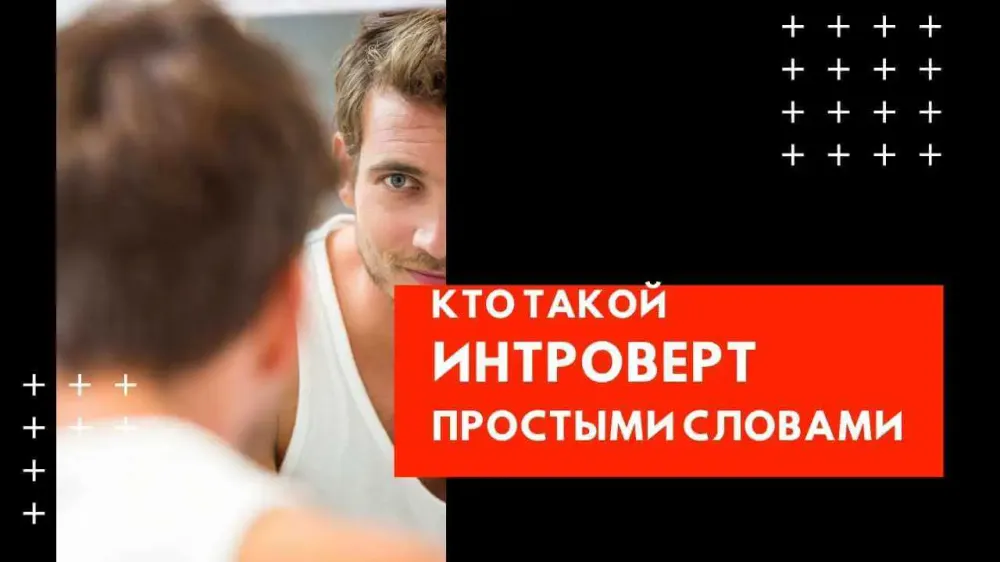
You do not become an introvert, you are born one. In short, that is roughly half of humanity. These are people who know everything about themselves and who come to know the world around them through that knowledge. An introvert standing in front of a mirror is not looking at himself. He or she is rather studying the mirror — checking how accurately it reflects the Introvert.
There are probably more men than women among introverts (that, by the way, is where the memes about silent men who answer in grunts come from). In the words of the poet Friedrich Schiller (1723—1796), who was the first, long before Jung, to take an interest in the fundamental differences between personality types, the Introvert follows this motto:
Friedrich Schiller in his 1795 essay "On the Aesthetic Education of Man"The prescription given to him by his rational nature is that he should remain unalterably himself throughout every change, that he should turn all perceptions into experience, that is, into the unity of knowledge, and that he should make each of his manifestations in time into a law for all time
Introversion is, alongside Extraversion, a fundamental, innate and lifelong Attitude of a person. In plain language, an attitude is a person's stance towards the outside world.
Introverts are made perinatally, in the course of the pregnancy, which means that by the moment of birth everything is already decided. And it is a pregnancy that is not very pleasant for the child. Because of that, the person is born permanently braced, with precise, focused or abrupt movements, with a well-developed sense or skill of control.
The easiest way to tell introverts apart (extraverts too, for that matter) is by their dancing. If you are a woman, belly dancing is not really working out for you, and you turn out to be an introvert — do not be upset, it is simply not your dance))) Introverts have breakdance, rap, hip-hop or the dance of the robot guitarists.
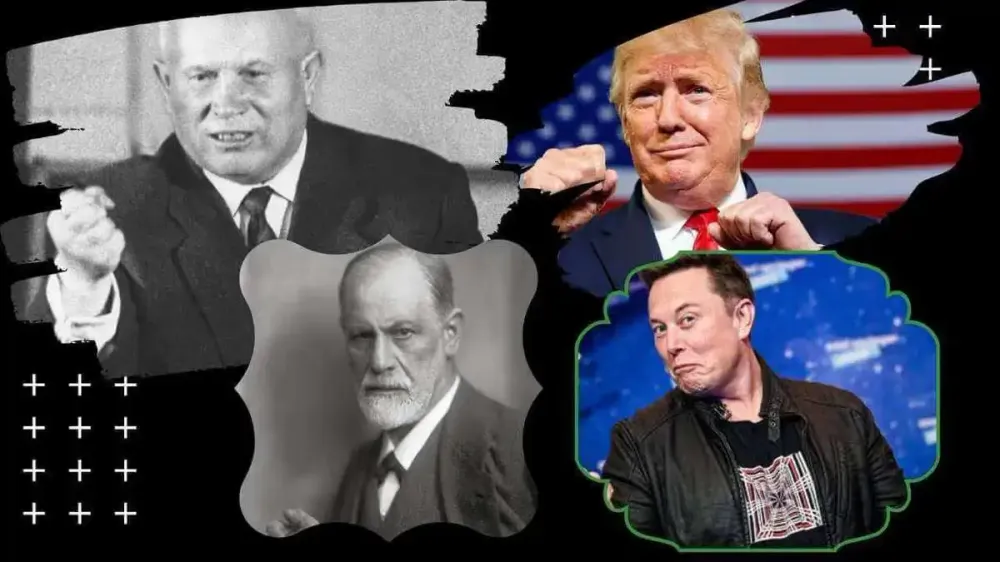
Introverts should not be confused with the nerds reading books under a tree. Yes, that is exactly what they do))). But it has nothing to do with social activity. Sigmund Freud, Nikita Khrushchev, Elon Musk — these are introverts. In short, do not confuse introversion with the Passive Life Position
An introvert goes for one-to-one interaction and dislikes group interaction. What is typical is that they always set themselves slightly apart from the group and find group interaction difficult. Socially an introvert has plenty of contacts and enters into them easily, but feels no great inner need for them. Most introverts say they do not really like people at all — that at best people can be interesting or amusing. Where an extravert joins a group because they enjoy interacting with people, an introvert joins a group because they understand how effective a tool it is. Incidentally, the roles of expert, critic and guerrilla are mostly taken on by introverts.
People sometimes say that an introvert is oriented more towards the inner world and an extravert towards the outer one, but there is a logical flaw in that statement. An introvert looks into the inner world in order to understand the outer one, which means that an introvert's main attention is on the outer world. That is exactly why introverts know more, notice more small details and analyse better: they gather information and store it up, and the world is reflected inside them.
Introverts observe the inner world and understand what is going on in the outer one. Their task is to know the world through themselves. They are more inclined to look at bare facts, closer to pure perception; an extravert, having received a fact, thinks about where to fit it in and how to come to terms with it.